Our story
A few acres, and the people who love them
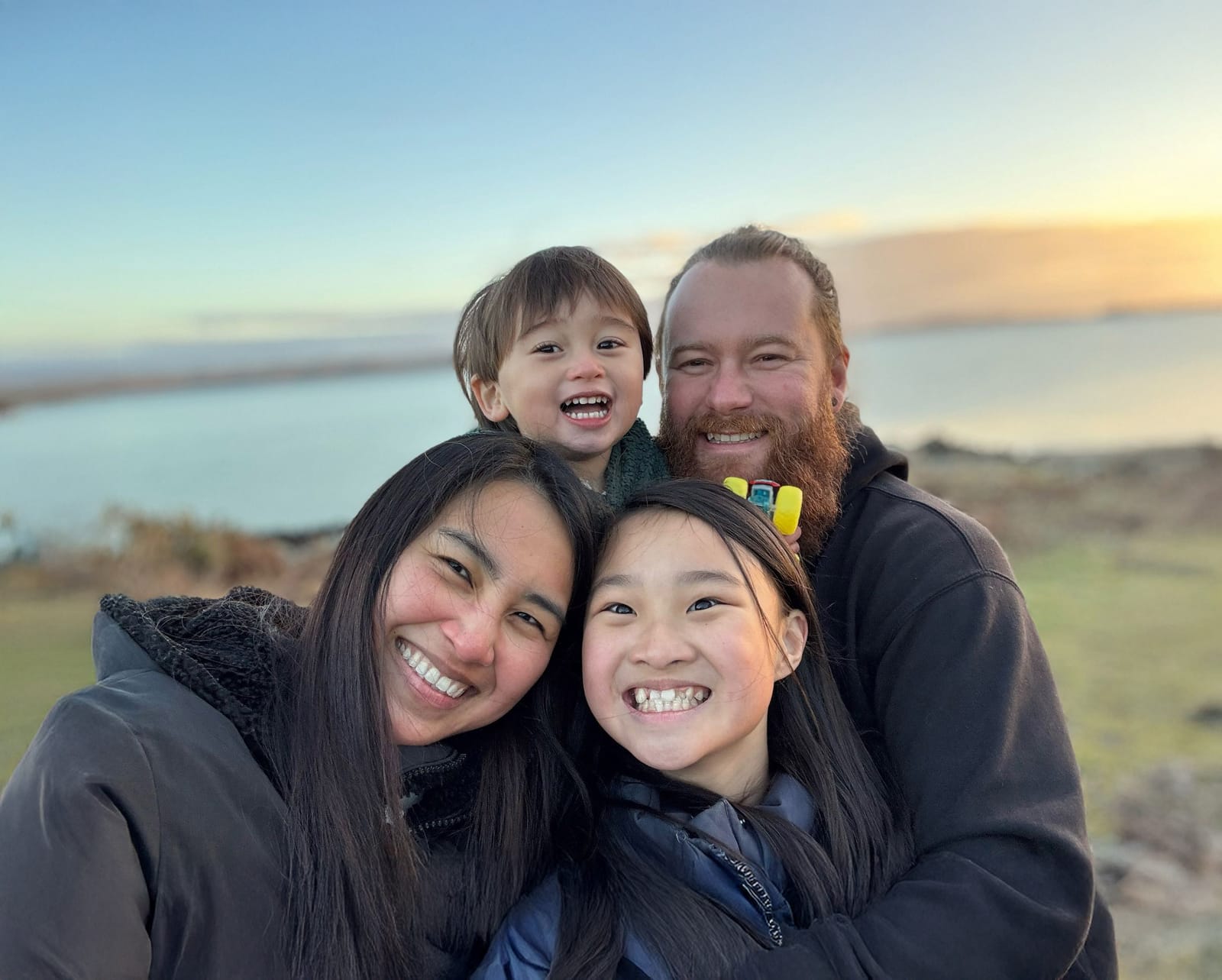
We're the family behind Hamar Croft: Dan and Mitzi, our daughter Zyra (11) and our son Jak (3) — who, at three, already has very firm opinions about long car journeys.
We spent many, many years roaming Scotland — a lot of miles and a lot of places that were almost, but never quite, the one. What we slowly worked out is that home was never really a spot on the map. Home is where the people you love are. When we finally stood on this patch of Glenmoriston, by Loch Ness, with each other beside us, it simply felt like it. So we stayed, and got to work.
What we're building
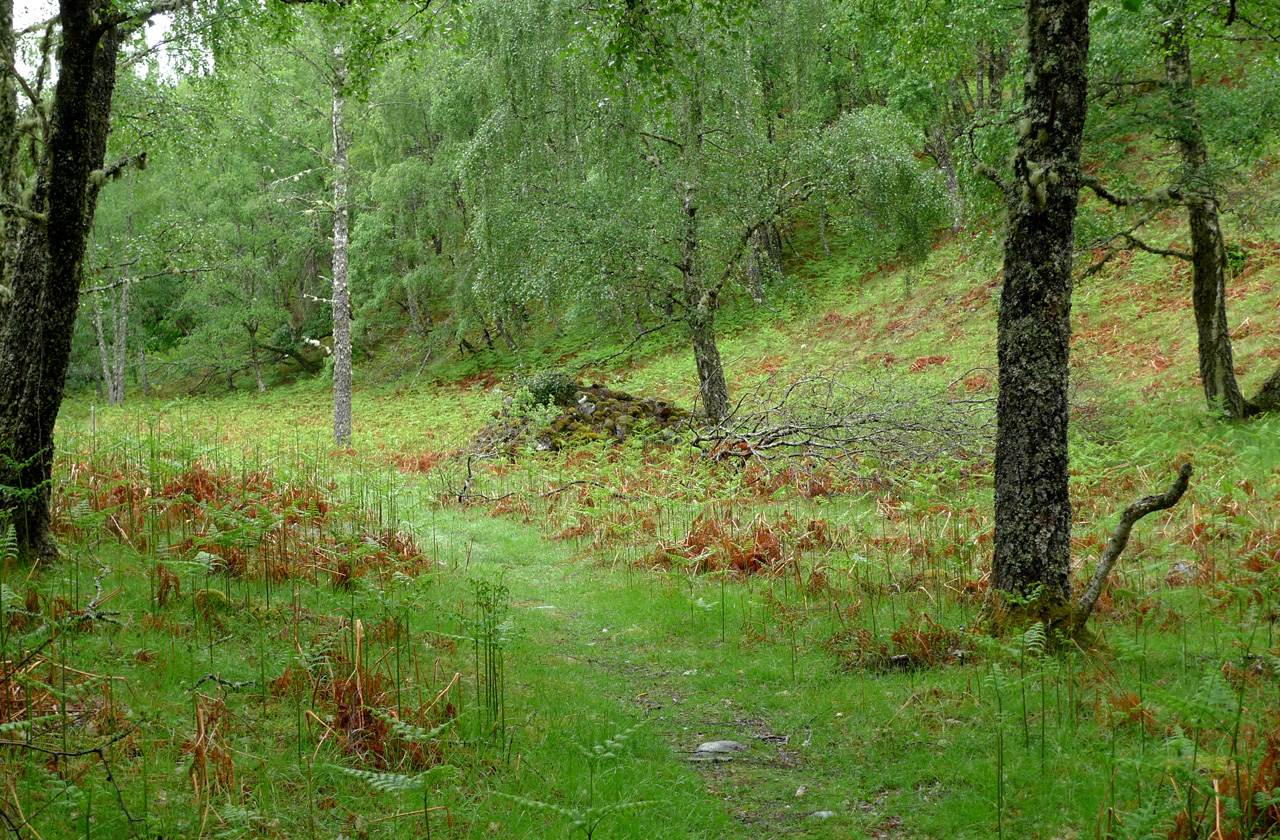
This is year one, and we're building slowly on purpose. The market garden is dug and the polytunnel is up — vegetables and soft fruit, grown no-spray and picked the week you take them home. Our small flock of hens range freely over the croft, scratching through pasture and orchard, with the first proper eggs not far off.
And the bees. The bees have been our steepest lesson yet — a genuinely tough first go at keeping them, the kind that humbles you. But we're not for giving up. We're pushing on, hive by hive, toward the thing we set out for: good, fresh Scottish honey from the heather at our own boundary, set in a jar at the gate.
None of it is for sale yet — deliberately. The first eggs, honey and veg boxes go on sale in spring 2027, in small batches, to the mailing list first.
Where the name comes from
“Hamar” comes from the Old Norse hamarr — a crag, a steep rock, a rocky cliff-face. It's a word that turns up in place-names right across the old Norse world, from Hamar in Norway to the isles of Shetland and Orkney. Scotland's Norse roots run deep: from the late 700s, Scandinavian settlers shaped the Northern Isles, the Hebrides and the northern coasts for centuries. In all honesty our own glen is Gaelic country — Gleann Moireasdan — so we've borrowed the word more than the postcode.
Here's the part Dan loves. Hamarr didn't only mean “crag” — it's the very same word the Norse used for hammer, thought to recall a time when hammers were made of stone. Including a rather famous one: Thor's Mjölnir. Dan has been a Thor fan his whole life, so a name that means both a rugged Scottish crag and Thor's hammer was always going to win.
And one we can't take too seriously: to an Arabic speaker, our name lands a hair away from himar — “donkey” — and ya hmar! (“you donkey!”) is the sort of cheeky ribbing friends trade for “you daft thing.” A croft named for a crag, a hammer and a donkey? That feels about right for us.